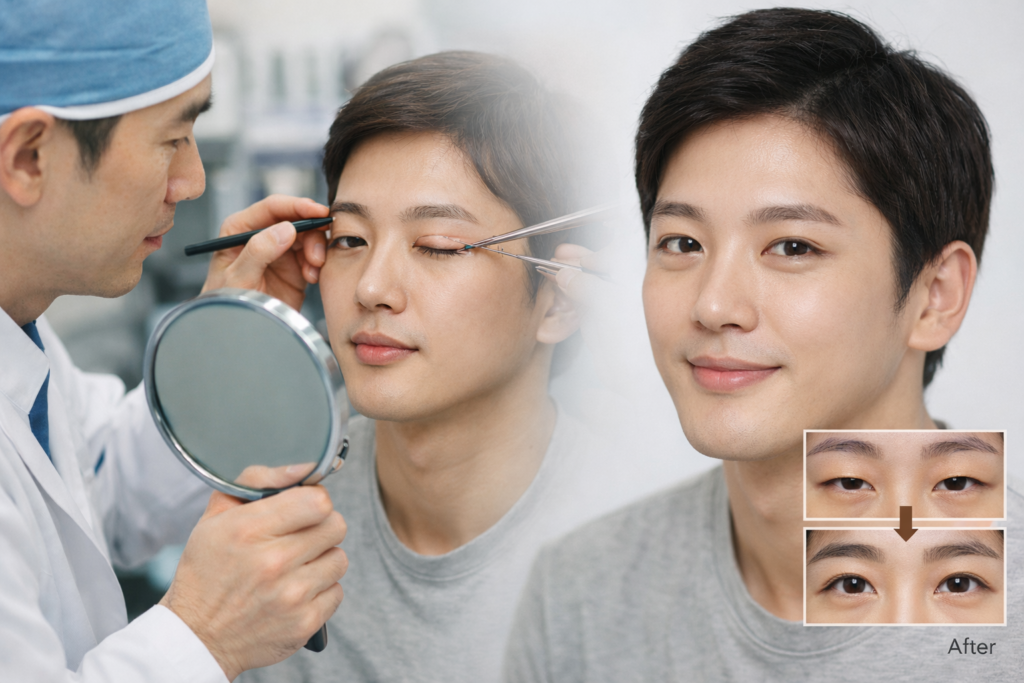
Korean Plastic Surgery as a Global Educational Model
As a global educational information platform, nypum.org explores how specialized knowledge systems evolve, standardize, and spread internationally. From this perspective, korean plastic surgery represents more than a medical service—it is a globally influential education-driven medical model built on structure, repetition, and continuous refinement.
Over the past two decades, Korea has become a reference point for plastic surgery education worldwide. Surgeons, medical staff, and international observers study Korean approaches not because of trends, but because procedures are designed, taught, and executed through clearly defined systems.
Why Korean Plastic Surgery Is Studied Globally
1. Standardized Surgical Education
Korean plastic surgery emphasizes repeatable techniques that can be taught, measured, and refined. This allows consistent outcomes across surgeons and clinics, making the system transferable and scalable.
2. Data-Driven Planning and Analysis
Advanced imaging, facial measurement systems, and proportion analysis are integral to education and practice. Decisions are based on anatomy and structure rather than subjective judgment alone.
3. Procedure-Specific Specialization
Surgeons often specialize deeply in specific procedures such as eyelid surgery, rhinoplasty, or facial contouring. This specialization strengthens educational depth and procedural accuracy.
4. Continuous Feedback and Improvement
Postoperative analysis and long-term follow-up data are used to improve future techniques. This feedback loop mirrors academic research models and strengthens global credibility.
Core Areas Commonly Studied in Korean Plastic Surgery
eyelid surgery techniques focused on natural anatomy
rhinoplasty emphasizing structural support
facial contouring based on skeletal balance
minimally invasive anti-aging procedures
standardized recovery and aftercare protocols
Each area contributes to a comprehensive educational framework rather than isolated skills.
Why This Topic Fits NYPUM’s Educational Mission
NYPUM focuses on helping learners understand how global systems work across disciplines. korean plastic surgery provides a clear example of how:
medical expertise becomes structured knowledge
education drives global influence
systems outperform individual intuition
consistency builds international trust
For students, educators, and global learners, this field illustrates how applied medical education can shape worldwide standards.
Conclusion
Korean plastic surgery stands as a globally studied medical discipline because it treats surgery as a system of education, not just individual skill. Through standardized training, data-driven planning, and continuous refinement, it has become a reference model for surgeons and institutions worldwide. For educational platforms like nypum.org, it offers a compelling case study in how structured knowledge can achieve lasting global impact.
Reconstructive – Repairs congenital defects or trauma.
Ethnic Rhinoplasty: Respecting Cultural Identity
Surgeons tailor technique to thicker Asian or African-American skin, softer cartilage, and unique bridge contours to maintain ethnic authenticity.
Specialized Subtypes
Tip Plasty – Focus on nasal tip rotation/projection.
Ultrasonic Rhinoplasty – Uses piezoelectric tools for bone sculpting, lowering bruising.
Liquid Rhinoplasty (Non-Surgical) – Dermal fillers last 12-18 months; ideal for minor asymmetry.
Revision Rhinoplasty: When and Why
Up to 15 % of patients seek a secondary procedure for residual bumps or breathing issues. Choose a surgeon who sub-specializes in revisions—scar tissue complicates dissection.
Matching Technique to Face Shape
Oval faces tolerate subtle bridge reduction; heart-shaped faces often need tip de-projection for harmony. 3D simulations help visualize balance before committing.
Takeaway
Identifying the right rhinoplasty type prevents over-correction and protects nasal function. Book at least two consultations to compare surgical philosophies.
Korea leads Korean eyelid surgery medical tourism because clinics pair precise surgical craft with smooth, bilingual service. Overseas patients want natural creases, predictable recovery, fair pricing, and a clinic that answers fast. Clinics grow when they build a system around those needs: measurement-first planning, transparent packages, and aftercare that travels with the patient.
Executive Snapshot: Why the Market Chooses Korea
Aesthetic philosophy: Surgeons design creases that respect brow position, canthal angles, and tarsal platform show. Patients see proportion, not trend chasing.
Predictable plans: Teams explain non-incision, partial-incision, and full-incision options in plain language. They state when ptosis repair helps and why.
Concierge workflow: Coordinators handle airport pickup, translation, pharmacy runs, and telehealth check-ins so travel feels safe.
Digital clarity: Clinics publish standardized before-and-after sets with consistent lighting and angles. Patients compare real outcomes, not filters.
Revision literacy: Many visitors had prior work. Korean clinics outline staged revision paths with measurements, not promises.
Trend 1: Measurement First, Hype Last
Modern clinics measure before they recommend. They log MRD1, crease height, medial and lateral canthus position, skin redundancy, and brow dynamics. Surgeons then show how each number links to a choice.
If heaviness dominates, a modestly higher crease and selective fat work may brighten the gaze.
If true droop exists, ptosis correction lifts function and shape together. Patients leave with targets they can understand and a plan they can trust.
Trend 2: Minimal Trauma, Maximum Subtlety
Korean eyelid teams aim for the least invasive method that meets the goal.
Non-incision helps when tissue quality and laxity allow.
Partial-incision balances definition with fast recovery.
Full-incision addresses excess skin, muscle, or fat precisely. Across methods, surgeons protect tissue, control bleeding, and close with fine detail. Subtle technique leads to calmer day-two calls and smoother week-one photos—both matter to business performance.
Trend 3: Digital Triage as a Revenue Engine
Korean eyelid surgery (“눈성형”) medical tourism starts long before the flight. Clinics now run structured photo triage:
Intake form requests exact photo angles and simple medical history.
A coordinator screens for suitability and timelines.
The surgeon leaves a brief voice note with a provisional plan. This approach increases qualified bookings, reduces cancellations, and raises patient confidence without pushing discounts.
Premium: director surgeon, revision-aware planning, extended concierge, priority scheduling.
Each tier lists inclusions, exclusions, and sample timelines. Packages reduce price haggling and improve case acceptance.
Trend 5: Aftercare That Travels
International patients need systems, not surprises. Leading clinics set fixed touchpoints: day 1–2 nurse check-in, day 7 suture review (local partner if needed), week 2 swelling audit, and month 1 telehealth. Patients receive red-flag rules in simple language and a photo guide for consistent follow-ups. Strong aftercare becomes your best marketing asset.
The Business Flywheel: From First Click to Five-Star Review
Support: scripted messages for day 1, day 3, and day 7; easy telehealth links.
Showcase: standardized before-and-after sets (with consent), plus a healing timeline reel.
Run this loop consistently and you compound trust, referrals, and margins.
Pricing Without a Race to the Bottom
Bundle certainty. Patients want a complete story, not line-item confusion. Package surgeon fee, facility, anesthesia, basic meds, protective eye kit, and two telehealth visits. Write a clear revision policy. Define windows, criteria, and costs for touch-ups versus new procedures. Clarity reduces disputes. Offer gentle add-ons only. Recovery-safe skin care or light energy treatments fit the week-one to month-one window. Anything aggressive can wait.
Operations You Can Scale (Without Losing Quality)
Intake
Multilingual forms request exact photo angles.
Auto-replies set expectations and timelines.
Coordinators triage quickly to avoid lead decay.
Planning
Every chart includes a measurement sheet.
Surgeons confirm whether ptosis repair is likely or conditional.
Patients receive a one-page plan in plain English and their native language.
Surgery Day
Mark the crease while the patient sits; take reference photos.
Use fine instruments, spare healthy fat when appropriate, and avoid excessive traction.
Close carefully to protect symmetry.
Recovery
Teach head elevation and low-salt meals.
Provide a checklist for what is normal and what needs a call.
Send scheduled prompts for progress photos.
Follow-up
Telehealth at week 2 and month 1.
If patients live far away, coordinate with vetted local providers for simple checks.
Ask for permission to share anonymized results once healing stabilizes.
Ethical Guardrails That Strengthen the Brand
Say “not now.” Decline requests that fight anatomy, rush recovery, or ignore safety.
Screen mental health gently. When anxiety or body image concerns dominate, slow the timeline and add support.
Protect privacy. Handle IDs and medical files with strict protocols and clear consent forms.
Set realistic timelines. Show puffiness photos and typical swelling curves so day-two worries do not derail trust.
Ethics do not slow growth; they enable sustainable growth.
Week-4 satisfaction (simple one to ten scale with comments)
Photo compliance (patients who submit required angles on schedule)
These numbers predict revenue and reputation better than impressions or clicks.
Seven-Day Sample Itinerary (Adjust Per Patient)
Day 0 (Arrival): Hotel check-in, hydration, avoid new skincare.
Day 1 (Consult + Marking): Measurements, final plan, pre-op photos.
Day 2 (Surgery): Procedure, recovery lounge, discharge kit.
Day 3 (Nurse Call): Swelling audit, comfort tips, reassurance.
Day 4–5 (Light Rest): Short walks; in-app photo check.
Day 6–7 (Clinic or Partner Visit): Suture review if indicated; travel readiness.
Week 2 (Telehealth): Bruising and swelling assessment; return-to-work guidance.
Clear steps calm nerves and reduce last-minute messages.
FAQs (Patient- and Partner-Friendly)
Is eyelid surgery a quick fix?
No. It works best as a tailored plan built around your measurements, tissue quality, and timeline.
How do I know if I need ptosis repair?
If your eyelid muscle lifts poorly or your pupil looks shadowed, your surgeon may suggest ptosis correction to improve function and appearance together.
Can non-incision solve everything?
No. It helps select cases. Many patients benefit more from partial or full incision to remove excess tissue or refine shape.
What if I had prior surgery?
Bring old photos and any notes. A revision-aware plan can address asymmetry, heaviness, or irregular creases, sometimes in stages.
How do clinics support me after I fly home?
With scheduled telehealth, simple red-flag rules, and coordination with local providers for basic checks when needed.
Final Takeaway
Korean eyelid surgery medical tourism grows wherever craft meets system. Measure precisely, communicate simply, package transparently, and support the patient long after the flight home. Do those four things and you build a durable, reputation-led business—one natural-looking result at a time.