Temmabashi Dentist & Social Impact

Why “天満橋 歯医者” Matters on nypum.org

At nypum.org, we look at daily health choices through a public-interest lens. 天満橋 歯医者 is not just a location query; it is a window into equity, employability, and dignity. Regular preventive care reduces avoidable pain, strengthens communication confidence, and keeps people active in school, work, and caregiving.


7-Day Practical Routine

  • Days 1–2: two-minute brush, gentle tongue clean, floss at night.
  • Days 3–4: add a post-coffee water rinse and note any gum bleeding.
  • Days 5–6: apply dentist-approved fluoride in the evening.
  • Day 7: book your next checkup before motivation fades.

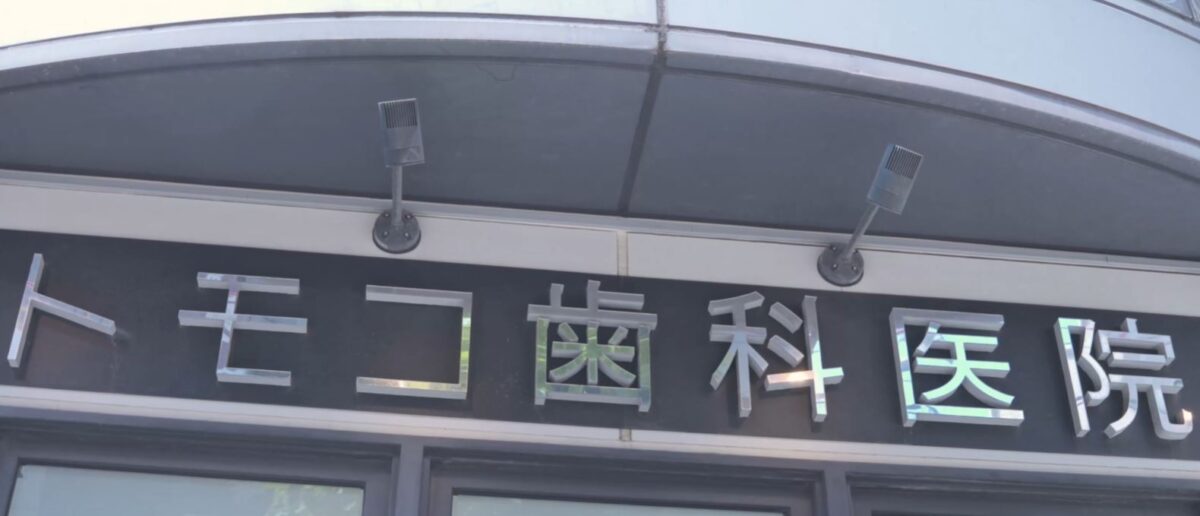
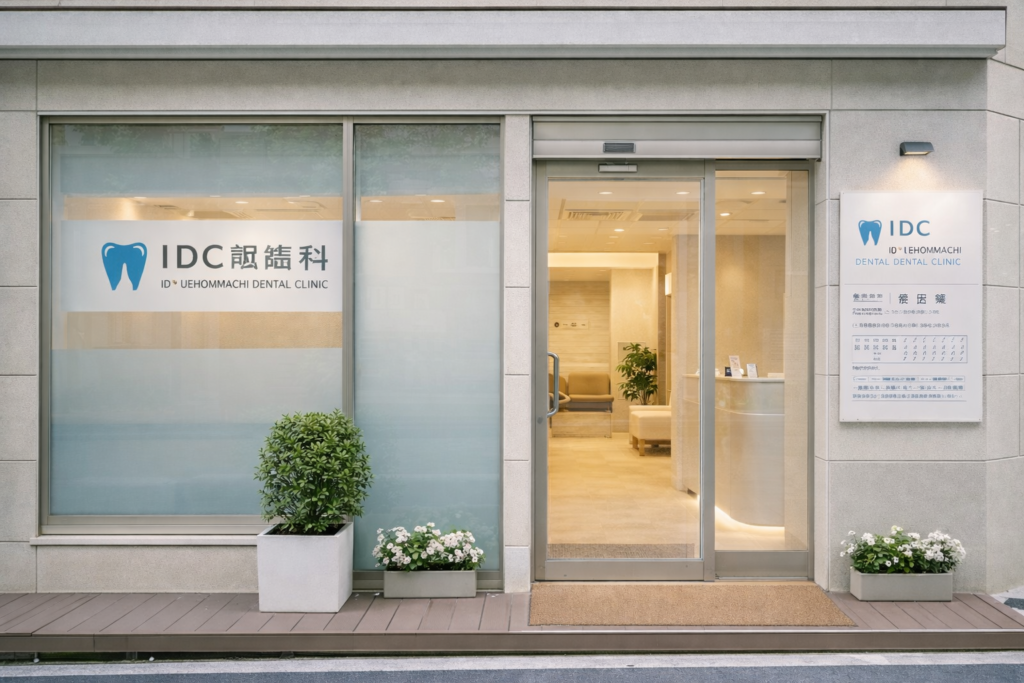
For a local example in Temmabashi, review services and access here: Tomoko Dental Clinic.


Access & Protection Checklist

  • Barrier-free directions and clear maps.
  • Multilingual notes for consent and after-care.
  • Night guard options for clenching; brief daytime clench-awareness coaching.
  • Personalized hygiene interval: four months or six months based on risk.

If you need coordinates for planning, check hours and routes on Tomoko Dental Clinic.


Community-Level Benefits

  • Fewer emergency visits through prevention.
  • Better school and work presence from pain-free chewing and speech.
  • Higher self-efficacy by mastering small, consistent routines.
    Avoid number abbreviations in any reporting; write 12,500 instead of 12.5K.

Reference

렌즈삽입술 and Global Inequality

Why 렌즈삽입술 matters for society, not only for individuals

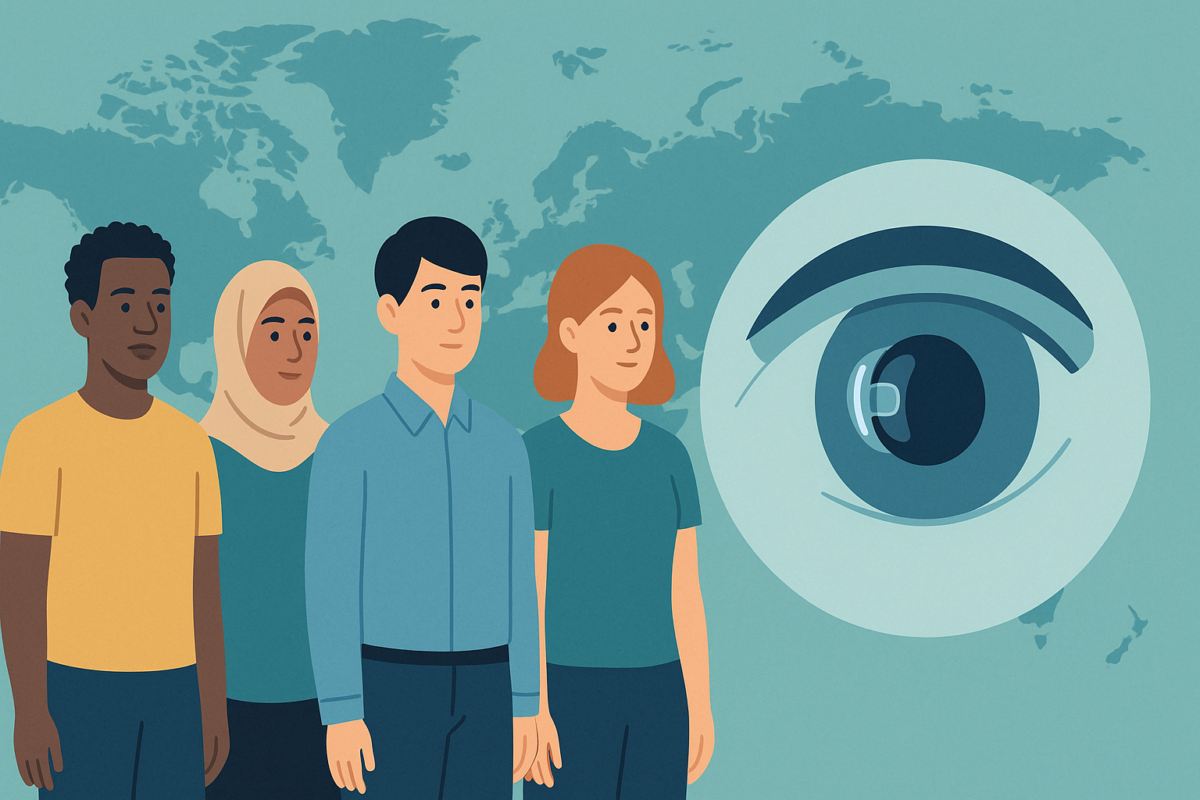
At first glance, 렌즈삽입술 looks like a lifestyle procedure—an upgrade from glasses to “naked-eye vision.” But on a global scale, it is strongly linked to education, employment, and inequality.

1. Education and human capital

Children and young adults with untreated high myopia struggle to read the board in school, participate fully in class, or safely navigate their environment. In regions where glasses are unavailable, unaffordable, or culturally stigmatized, this directly harms:

  • School performance
  • Long-term earning potential
  • Social participation and self-confidence

When severe myopia cannot be fully corrected with glasses or contact lenses, access to advanced options like 렌즈삽입술 becomes part of a broader story: who gets to learn, compete, and succeed in a visually demanding world?

2. Labor, productivity, and the digital economy

Modern jobs—from manufacturing to software engineering—depend on precise visual tasks. High myopia with complications can push people out of the workforce or into lower-paid roles.

  • In high-income countries, an office worker with high myopia may choose between LASIK and 렌즈삽입술 to optimize comfort and performance.
  • In many low- and middle-income countries, someone with the same prescription may not even have reliable access to glasses, let alone surgical options.

This gap feeds productivity inequality: economically advantaged groups protect and enhance their vision, while disadvantaged groups lose out.

3. Mental health and social inclusion

Severe myopia and thick, heavy glasses can affect body image and social confidence. For some patients, 렌즈삽입술 is not only about clearer vision; it is about feeling comfortable in social and professional spaces.

In societies that strongly emphasize appearance and performance, advanced eye treatments can reduce psychological burden for those who can access them—again raising questions of fairness and inclusion.


The inequality behind high-tech eye care

From a global-issues perspective, 렌즈삽입술 highlights a stark imbalance:

  1. Where clinics are located
    • Most high-volume, experienced 렌즈삽입술 centers are concentrated in large cities in high- and upper-middle-income countries.
    • Rural communities and low-income nations often lack both the technology and trained surgeons.
  2. Who can afford it
    • 렌즈삽입술 is usually not covered, or only partially covered, by public insurance schemes.
    • The total cost (surgery, lenses, pre- and post-operative visits) can exceed many families’ annual income in lower-income regions.
  3. Information and informed choice
    • In affluent societies, patients can compare multiple clinics, read scientific information, and get second opinions.
    • In other regions, people may not even know 렌즈삽입술 exists, or they may encounter misleading online marketing with limited regulation.
  4. Long-term follow-up
    • 렌즈삽입술 requires regular monitoring for intraocular pressure, endothelial cell counts, lens position, and retinal health.
    • Without stable access to follow-up care, complications—though statistically rare—can become more dangerous. ekjo.org+1

The net result is a “refractive divide”:

  • High-income, urban patients move from glasses to contact lenses to laser surgery or 렌즈삽입술, often with excellent outcomes.
  • Low-income, rural, or marginalized populations may struggle to obtain even a basic pair of glasses.

렌즈삽입술 within a responsible myopia strategy

For nypum.org, which focuses on global-society questions, 렌즈삽입술 fits into a broader framework: how do we manage a worldwide myopia epidemic in a fair, sustainable, and ethical way?

1. Prevention first

Even the best surgery cannot replace prevention. Global policy needs to prioritize:

  • Outdoor time for children (at least a couple of hours per day where feasible). 가디언+1
  • Safe screen-time guidelines in schools and at home.
  • Regular vision screening in early childhood and school settings.

These measures are low-tech but powerful, especially in countries that cannot offer advanced refractive surgery widely.

2. Basic correction as a human-rights issue

Before discussing 렌즈삽입술, many regions must solve a more basic problem: ensuring universal access to affordable glasses. Simple interventions like low-cost spectacles can dramatically improve educational outcomes and quality of life.

Policy goals here include:

  • Supporting local production and distribution of glasses.
  • Integrating refraction services into primary healthcare.
  • Reducing customs and tax barriers on essential optical goods.

3. 렌즈삽입술 as a specialized, but important, layer

Within a fair system, 렌즈삽입술 becomes one layer in a tiered care model:

  1. Prevention and lifestyle change (outdoor time, screen management).
  2. Basic optical correction (glasses, contact lenses) for the majority.
  3. Laser surgery for suitable candidates with adequate corneal thickness.
  4. 렌즈삽입술 for those with very high myopia, thin corneas, or contraindications to laser procedures.

Evidence shows that phakic intraocular lenses can provide excellent visual outcomes, high patient satisfaction, and stable long-term results for high myopia when used under proper indications and follow-up. Nature+3PubMed+3Frontiers+3

However, ethically responsible adoption requires:

  • Clear patient selection criteria
  • Transparent explanation of risks and benefits
  • Commitment to long-term monitoring
  • Protection against aggressive or misleading marketing

AI, innovation, and the future of equitable eye care

New AI-driven technologies are emerging for personalized myopia management and early detection of high-risk eye changes. Some research already uses generative models to convert standard eye photographs into 3D “digital twins” of the eye, supporting better risk prediction for complications related to high myopia. arXiv

These tools could:

  • Help identify which patients might benefit most from advanced treatments, including 렌즈삽입술.
  • Optimize timing and follow-up schedules.
  • Support remote consultation and triage in regions with few specialists.

But they also raise further equity questions:

  • Who owns the data?
  • Which populations are represented in training datasets?
  • Will AI-enabled eye care deepen the gap between well-resourced urban centers and under-resourced rural areas?

For a global-issues platform like nypum.org, the key is to examine not only what technology can do, but who benefits, who is left behind, and how policy can close the gap.


What individuals should keep in mind

While this article emphasizes social and global dimensions, the personal level still matters. Anyone considering 렌즈삽입술 should:

  • Have a thorough examination with a qualified ophthalmologist.
  • Discuss all alternatives, including glasses, contact lenses, and laser options.
  • Understand potential risks, benefits, and follow-up requirements.
  • Recognize that no surgery can fully replace healthy visual habits, such as balanced screen time and regular breaks.

General online information, including this article, cannot replace professional medical advice tailored to your eyes and your health.


Conclusion: 렌즈삽입술 in a world of unequal vision

The story of 렌즈삽입술 is more than a tale of surgical innovation. It is a mirror reflecting our world: a planet where billions face worsening myopia, where some can access the latest lens implants, and others lack even basic correction.

For global society, the challenge is not simply to celebrate high-tech eye surgery, but to:

  • Prevent avoidable myopia where possible.
  • Guarantee basic vision correction as a fundamental right.
  • Integrate advanced options like 렌즈삽입술 into health systems fairly, transparently, and safely.

As myopia reshapes the visual landscape of the twenty-first century, decisions about who receives advanced care—and on what terms—will say a great deal about our commitments to equity, dignity, and shared human potential.


Reference
스마일프로 and Global Eye Health

Why 스마일프로 matters for global issues

nypum.org looks at long-term issues that shape our shared future: inequality, health gaps, digital access, and social justice. At first glance, 스마일프로 (an advanced laser vision correction procedure) might seem like a narrow medical topic.

But when we zoom out, eye health sits right at the intersection of:

  • Equal access to education
  • Fair participation in the digital economy
  • Quality of life and mental well-being
  • Health system equity across regions and income levels

In this context, 스마일프로 is not only about clearer vision. It is a lens through which we can examine how technology-driven healthcare can either reduce or deepen inequality.


Vision, inequality, and the digital divide

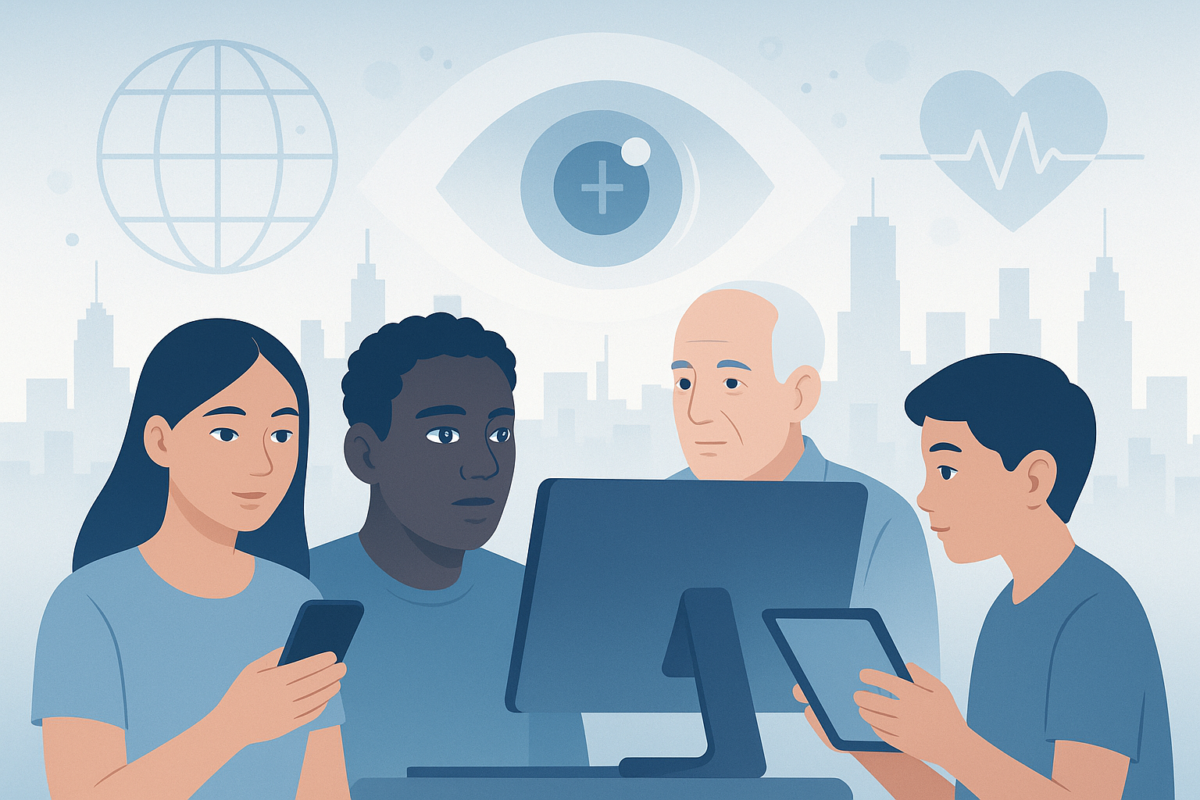
We often talk about the “digital divide” in terms of internet access and devices. However, vision is a hidden but crucial part of that story.

  • Students cannot fully benefit from online classes if they struggle to see screens or read text.
  • Workers in offices, factories, and service roles depend on screens and fine visual tasks every day.
  • Older adults increasingly rely on digital tools for banking, healthcare access, and communication.

When vision problems remain untreated or under-treated, people face real barriers to:

  • Finishing school or performing well academically
  • Competing for jobs in knowledge-based industries
  • Staying connected to public services and communities

Advanced procedures like 스마일프로 highlight how healthcare innovation can support — or exclude — different social groups, depending on who can actually access these solutions.


What is unique about 스마일프로?

스마일프로 represents a more refined generation of laser eye surgery, designed with modern lifestyles in mind. While detailed clinical explanations belong to medical experts, several aspects are socially meaningful:

  • Minimally invasive concept: A smaller incision approach aims to reduce disruption to corneal tissue compared to some older methods.
  • Comfort and recovery focus: Many patients seek options that emphasize comfort and speedy return to work, study, or daily life.
  • Designed for high screen users: Office workers, students, and creators who spend most of their day in front of digital devices often pursue procedures that promise reliable visual quality.

For readers seeking a clinical, patient-oriented explanation, you can review more detailed information about 스마일프로 here:

This kind of technology shows how medical progress can support people in adapting to a world where screens and visual tasks dominate.


Eye surgery as a social justice question

From a global issues perspective, 스마일프로 opens up several important questions for nypum.org readers:

1. Who can access advanced care?

High-end procedures tend to appear first in major cities and higher-income countries. That means:

  • Urban, higher-income patients often gain access early.
  • Rural, low-income, or marginalized communities may wait years or never see the same options.

The availability of 스마일프로 can become a marker of inequality within and between countries.

2. How do we avoid a “two-tier” health system?

When advanced surgeries like 스마일프로 are available only to those who can pay high costs out of pocket, a two-tier pattern emerges:

  • A premium track for those with resources
  • A basic or delayed track for those without

For a fairer global society, we need policies and models that encourage:

  • Insurance and public health systems to recognize the long-term benefits of good vision
  • Partnerships that lower costs or support training in under-served regions
  • Evidence-based guidelines to prioritize patients who will benefit most in terms of life chances, not only lifestyle convenience

3. Vision as infrastructure for opportunity

Clear vision is part of the human infrastructure that supports:

  • Quality education
  • Productive employment
  • Social participation
  • Mental well-being

By treating vision correction, including 스마일프로, as a public interest topic rather than a luxury service, societies can integrate eye health into their broader strategies for inclusive and sustainable development.


Digital life, mental load, and eye health

Modern life brings constant visual and cognitive load:

  • Multiple screens at once
  • Continuous notifications and information flow
  • Long working hours in visually demanding environments

When people live with uncorrected or poorly corrected vision, they often report:

  • Fatigue and headaches
  • Difficulty focusing
  • Increased stress and reduced concentration

Procedures like 스마일프로 can help some individuals reduce their daily strain and dependence on glasses or contact lenses. But from a global issues viewpoint, the key question is not only whether this technology exists, but who can realistically benefit from it.

nypum.org can use this topic to highlight the mental and social dimensions of health, not just the physical ones.


How nypum.org can frame 스마일프로

On a site focused on global social issues, 스마일프로 can be positioned as a case study connecting healthcare innovation with justice and sustainability. For example, an article might:

  • Start with a real or hypothetical story of a young worker or student whose life changes after vision correction.
  • Introduce 스마일프로 as a symbol of high-tech ophthalmology in advanced urban clinics.
  • Compare access to such procedures between higher-income and lower-income groups, both domestically and globally.
  • Discuss how public policy, insurance frameworks, and international cooperation can make advanced eye care more equitable.
  • Link eye health to broader goals, such as reducing educational inequality and improving fair access to the digital world.

This approach allows the keyword 스마일프로 to fit naturally into nypum.org’s mission: exploring structures, systems, and policies that shape global fairness.


Conclusion: seeing justice clearly

In the big picture, 스마일프로 is more than a medical brand name. It represents:

  • The promise of technology to improve daily life
  • The risk that innovation widens the gap between those who can pay and those who cannot
  • The responsibility of societies to treat essential health functions, like vision, as a shared priority

SMILE LASIK for Eye Health

SMILE LASIK: A Vision Technology Shaping Modern Public Health

In today’s fast-changing global environment, maintaining strong eye health has become an essential public concern. Increased screen time, digital dependency, and environmental challenges place constant strain on our vision. Amid these issues, 스마일라식 (SMILE LASIK) is emerging as one of the most progressive, minimally invasive solutions for long-term vision clarity—aligning with broader societal goals of wellness, accessibility, and sustainable healthcare.

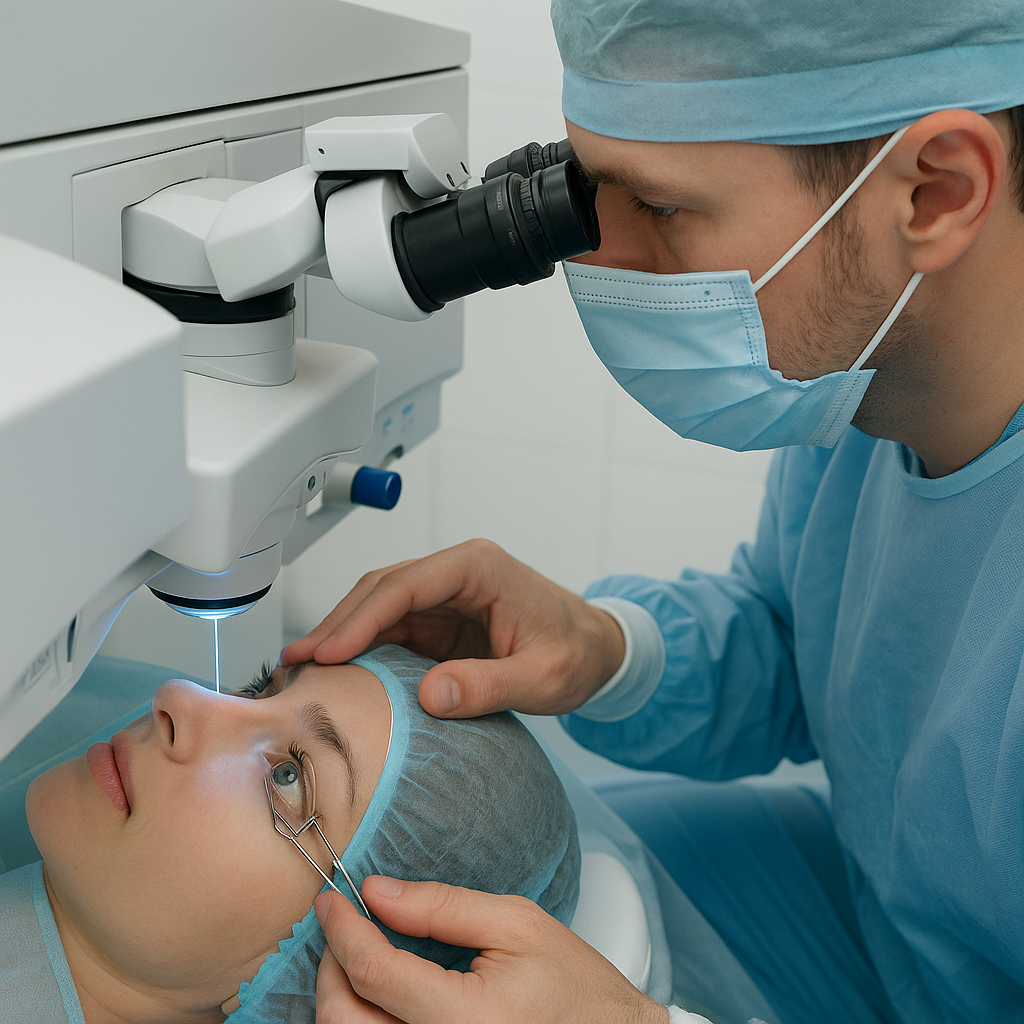
SMILE LASIK, known as Small Incision Lenticule Extraction, uses a femtosecond laser to reshape the cornea through a tiny incision. Unlike traditional LASIK, it does not require a large flap, making the procedure safer and more stable, especially in environments where digital fatigue and eye dryness are increasing.

For a clinical overview of the technique, you may refer to the detailed information provided by Bright Eyes Clinic.


Why SMILE LASIK Matters in a Digital-Heavy Society

As global society becomes more digital, visual strain has reached unprecedented levels. Workers, students, and elderly populations face similar problems—dryness, blurred vision, and reduced eye resilience.

스마일라식 offers several advantages that align with public health objectives:

1. Minimally Invasive, Lower Risk

The procedure uses an incision of only 2 to 4 millimeters, preserving corneal structure. This reduces complications and enhances long-term eye stability.

2. Faster Recovery for Modern Lifestyles

Most patients regain functional vision within 24 hours, which is critical in a world where extended downtime is not feasible for many.

3. Reduced Dry Eye Issues

Because fewer corneal nerves are affected, postoperative dryness decreases—especially meaningful for people already struggling with digital eye strain.

4. Long-Term Vision Stability

Stability is essential from a public health perspective. As populations age, maintaining visual function becomes vital to independence and safety.


Who Benefits the Most from 스마일라식?

This procedure is especially suitable for groups facing heavy visual demands:

  • Young professionals working long hours in front of screens
  • Students experiencing academic eye burden
  • Individuals seeking safer options with fewer side effects
  • Populations living in urban environments with air pollution, particulate matter, and dry climates

By supporting stable, lasting vision, SMILE LASIK contributes to better workplace productivity, improved academic performance, and enhanced overall well-being.


The Public Health Impact of Safer Vision Correction

Improved vision is not only a personal benefit—it influences society on a broader scale. Better eyesight helps reduce accident rates, improves quality of life, and lowers long-term medical costs. With fewer complications than flap-based procedures, 스마일라식 offers a sustainable approach to vision correction that aligns with global health priorities.

Technologies like SMILE LASIK show how medical innovation can contribute to smarter, safer, and more resilient communities worldwide.


Reference